
"Brazilian coffee industry"
3000 article(s) found

Brazilian Camo Manor Honey treatment of Ice hand Coffee Water Ice how to calculate _ Brazilian Coffee should be brewed like this
Professional coffee knowledge exchange more coffee bean information please follow Coffee Workshop (Wechat official account cafe_style) SUL DE MINAS history, this area is the birthplace of Brazil's large number of coffee production, there are many generations of small farmers here. Perhaps for this reason, there are more cooperatives in the region. Although it is mostly small farms, it is still a good industrialized area.
Understand Brazilian Coffee and enter Brazilian boutique Coffee products
It is unique that growers from each producing area will study and develop local processing techniques according to the characteristics of the local environment, and it is Dangdu's unique raw bean processing technology that makes coffee tastes different from one place to another. The treatment of raw beans is like the brewing process of beer, different methods will lead to different tastes of coffee. Most of us are right about ourselves.

Tell me about Brazilian coffee.
Brazilian coffee generally refers to coffee produced in Brazil. There is a wide variety of Brazilian coffee, the vast majority of which are unwashed and sun-dried, classified according to the name of the state of origin and the port of transport. Brazil has 21 states and 17 states produce coffee, but four of them produce the largest, accounting for 98% of the country's total output. Brazilian coffee has a low sour taste, which goes well with coffee.

Introduction to the taste of fine coffee bean flavor manor in Brazilian coffee producing area with soft fragrance
The largest coffee producer, which accounts for 1/3 of the world's coffee consumption, accounts for 1/3 of the world's coffee consumption and has a place in the global coffee market, although Brazil faces several times more natural disasters than other regions. but its acreage is enough to make up for it. There are many kinds of coffee here, but its industrial policy is large and cheap, so excellent coffee and
Brazilian Coffee, the Kingdom of Fine Coffee in the World
Brazil is famous all over the world for its high quality and strong taste of coffee. It is the largest coffee producer and exporter in the world and is known as the coffee kingdom. Coffee originated in Ethiopia in Africa and was introduced into Brazil in 1727. Brazil is located in the southeast of South America, located in the tropics and subtropics, the unique geographical and climatic conditions are suitable for growing coffee, coupled with cheap labor, coffee growing industry is booming.
Introduction to the Manor Environment of Coffee planting region in Brazil Fine Coffee Bean
Brazilian coffee generally refers to coffee produced in Brazil. There are many kinds of coffee in Brazil. Like other Arabica coffee, Brazilian coffee is called Brazilian coffee Brazils to distinguish it from Milds coffee. The vast majority of Brazilian coffee is unwashed and sun-dried and is classified according to the name of the state of origin and port of transport. Brazil has 21 states and 17 states produce coffee, but among them

Introduction to the characteristics and varieties of Brazilian Coffee with excellent Flavor
Brazil is located in southeastern South America, spanning 35 to 74 degrees west longitude and 5 degrees north to 35 degrees south latitude. It is bordered by the South Atlantic Ocean to the east and any country in South America to the north, west and south (except Chile). It is bordered by French Guiana, Suriname, Guyana, Venezuela and Colombia to the north, Peru and Bolivia to the west, and Paraguay, Argentina and Uruguay to the south. Coastline
Knowledge of World Fine Coffee and knowledge of Brazilian Coffee
Brazilian coffee generally refers to coffee produced in Brazil. There is a wide variety of Brazilian coffee, the vast majority of which are unwashed and sun-dried, classified according to the name of the state of origin and the port of transport. Brazil has 21 states and 17 states produce coffee, but four of them produce the largest, accounting for 98% of the country's total output. Brazilian coffee has a low sour taste, which goes well with coffee.

Brazilian coffee bean brand recommends Brazilian coffee bean wholesale price list how much is a cup of Brazilian coffee
Professional coffee knowledge exchange more information about coffee beans Please follow the coffee workshop (official Wechat account cafe_style) mention the origin of coffee, the first thing people think of is Brazil in South America, because it is the largest coffee producer in the world. There are many kinds of coffee beans in Brazil. The vast majority of Brazilian coffee beans are unwashed and dried, according to the name of the state of origin and the port of transport.

The Brand characteristics of Brazilian Coffee Bean Market the planting base map of Hilado location conditions
Brand characteristics of the Brazilian coffee bean market Hilado location conditions Brazilian Coffee Export Association data released on August 11th showed that coffee bean exports plunged 33.7% in July from the same period last year to 1.9 million bags (1 bag = 60kg), mainly due to low stocks and the lack of newly harvested coffee beans to catch up with exports. As a result, the price of international coffee futures has increased slightly.

Introduction to the Regional treatment method of Bourbon Rivida Coffee beans in Brazil
Brazilian Bourbon Rivida Coffee beans characteristics Brand Flavor Flavor Manor Regional treatment method includes all coffee beans grown in Brazil, except for Sandos, Brazilian beans are mostly cheap and high-quality coffee. Can be used for mass production of comprehensive coffee beans, most of which are re-roasted. The main raw material of instant coffee is also Brazilian coffee beans. When the coffee bean germ is very fresh, it is artificially refined and let it
American boutique coffee beans Brazil big country coffee beans
Brazilian coffee beans generally refer to coffee produced in Brazil. There is a wide variety of Brazilian coffee, the vast majority of which are unwashed and sun-dried, classified according to the name of the state of origin and the port of transport. Brazil has 21 states and 17 states produce coffee, but four of them produce the largest, accounting for 98% of the country's total output. Brazilian coffee has a low sour taste.

Introduction to the characteristics of flavor and taste varieties in Brazilian coffee manor with unique advantages
On April 22, 1500, Portuguese navigator Pedro Cabral arrived in Brazil. He named the land the Holy Cross and declared it to be owned by Portugal. As the plunder of the Portuguese colonists began with the cutting of Brazilian mahogany, the word Brasil gradually replaced the holy cross as the name of Brazil, and is still in use today, and its Chinese transliteration is Brazil. Portugal in the 1630s
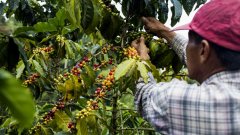
Brazilian coffee farmers turn to grow Robusta Arabica coffee beans decline.
There is no doubt that climate change has had a profound impact on the coffee industry, and a Reuters article on August 16th revealed the rise of Robusta Coffee. Farmers in Brazil, the world's largest producer of coffee beans and Arabica coffee beans, are turning to robusta coffee beans, which are more intense and unpleasant. There are signs table

Flavor and taste of Brazilian boutique coffee beans the characteristics of manor producing areas introduce the varieties of Brazilian coffee.
General K. Fonseka launched a coup on November 15, 1889, overthrowing the monarchy and establishing the United States of Brazil. Under the slogan of order and progress, and based on the presidential system to strengthen the modernization of Brazil, the new government has achieved good economic results in addition to producing 3/4 of the world's coffee. Later, under the panic of the world economy in the 1930s, the coffee economy suffered a deep pain.
Brazil Coffee
Brazilian coffee generally refers to coffee produced in Brazil. There is a wide variety of Brazilian coffee, the vast majority of which are unwashed and sun-dried, classified according to the name of the state of origin and the port of transport. Brazil has 21 states and 17 states produce coffee, but four of them produce the largest, accounting for 98% of the country's total output. Brazilian coffee has a low sour taste, which goes well with coffee.

Brazilian Coffee Variety Flavor Taste Boutique Coffee Bean Manor Introduction
Brazil, the largest producer of coffee, accounts for one-third of global consumption of all grades and varieties, and has a place in the global coffee market. Although Brazil faces many times more natural disasters than other regions, its arable area is enough to compensate. There are many kinds of coffee here, but its industrial policy is large and cheap, so it is especially superior coffee and

What is the Brazilian Fine Coffee Association? What is the use of the Brazilian Fine Coffee Association?
Professional coffee knowledge exchange more coffee bean information please follow Coffee Workshop (Wechat official account cafe_style) Brazilian Fine Coffee Association (BSCA), located in Varginha, South Minas, is a non-profit coffee organization founded in 1991 by 12 coffee producers in Brazil. BSCA aims to improve the quality of Brazilian coffee production and to promote the commercialization of Brazilian coffee.

Introduction to the Variety characteristics of the Flavor description of Brazilian Coffee grown in Manor
Brazilian coffee planting manor regional flavor description taste treatment variety characteristics coffee yield is related to the species and growing environment of coffee trees. A coffee tree can produce an average of 5 pounds of coffee fruit a year. The coffee tree can eventually harvest about 1 pound of dried coffee beans, which is usually bred in a nursery and grows into seedlings, and then moved to the coffee garden a year later, in full compliance with the original Arabs.